How J Douglass Wildlife Handyman Can Help with
Flying Squirrel Invasion in Jasper/Big Canoe
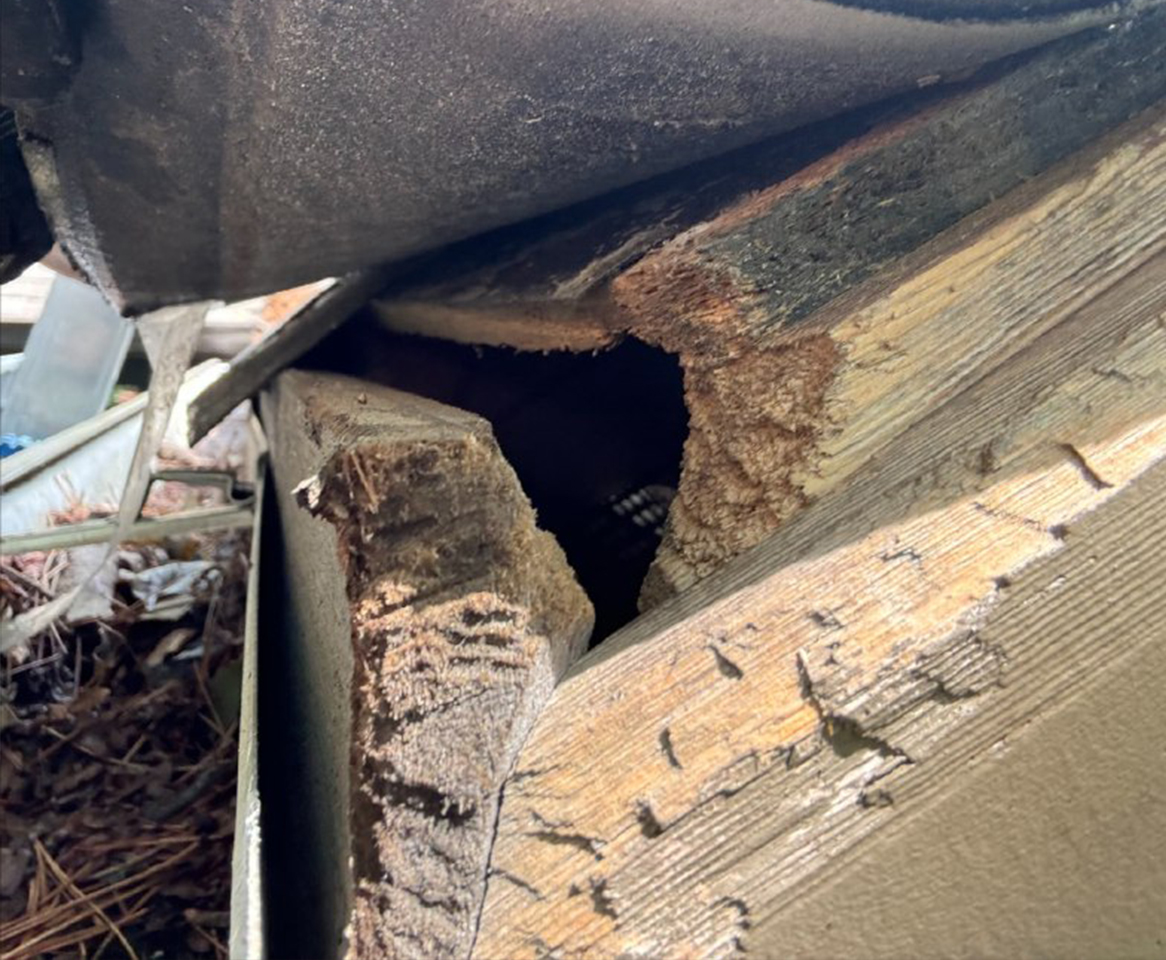
Are you a Jasper/Big Canoe homeowner dealing with the telltale signs of a flying squirrel invasion? Chew holes in your fascia boards, scratching noises in the attic, or even sightings of these nocturnal creatures can indicate a serious problem. J Douglass Wildlife Handyman specializes in the humane removal of flying squirrels and the repair of the damage they cause. Our recent project in the Jasper/Big Canoe area highlights our comprehensive approach to solving this common issue.
For more information on flying squirrel behavior and effective exclusion methods, visit our wildlife exclusion services page.
Initial Inspection
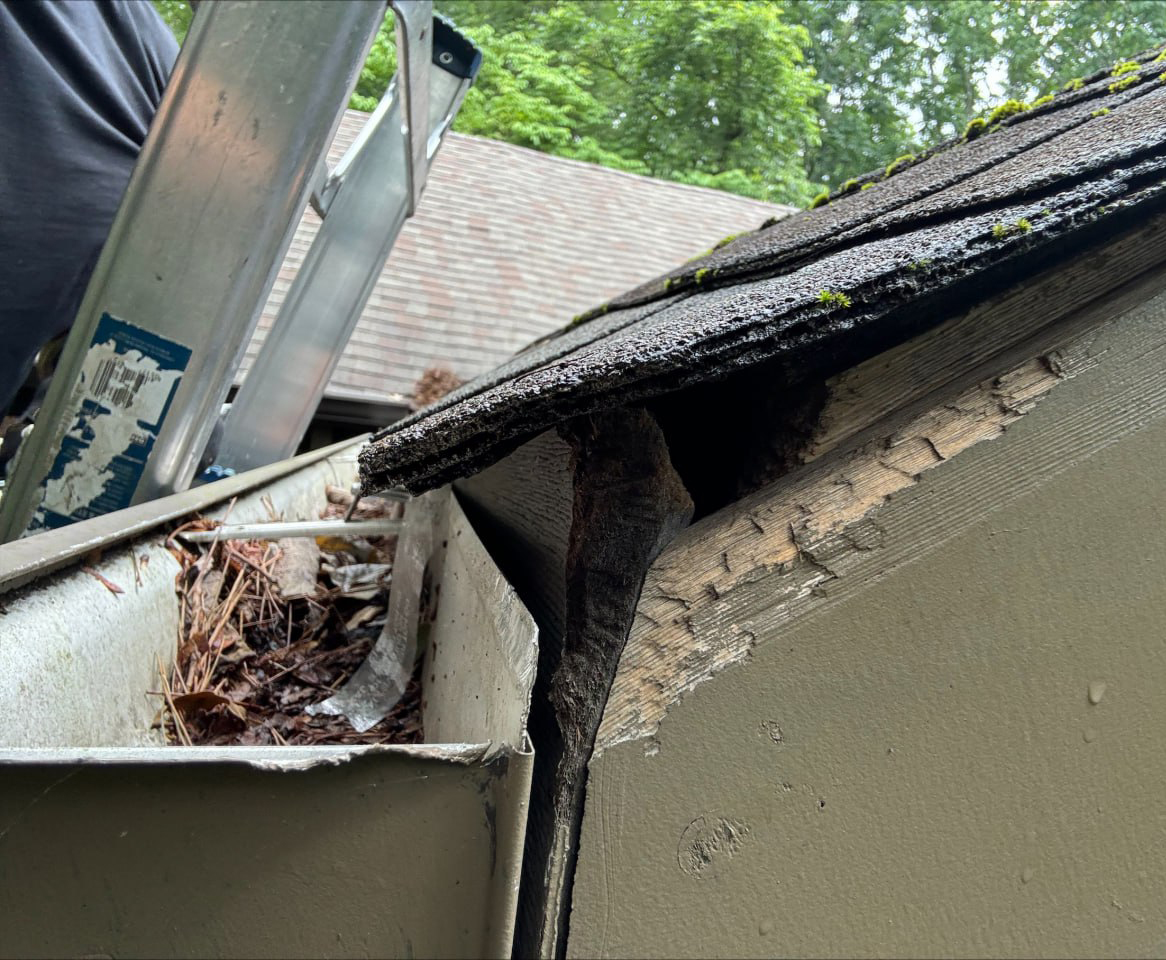
Upon arrival, our team conducted a thorough inspection of the property. We identified multiple entry points where the squirrels had chewed through the fascia boards. These entry points were not only allowing squirrels to enter the attic space but also exposing the property to potential weather damage. We meticulously documented each point to ensure no area was overlooked, understanding that even small gaps could invite wildlife back into the home.
To address the infestation humanely, we utilized specialized excluders. These one-way doors allow squirrels to exit but prevent them from re-entering, ensuring no animals are trapped inside.
Signs of a Flying Squirrel Invasion in Jasper/Big Canoe
Flying squirrels may be small, but the damage they can cause is substantial. Common signs of an invasion include:
- Chew holes in fascia boards
- Scratching noises in the attic
- Sightings of squirrels around your home
How J Douglass Wildlife Handyman Handles Flying Squirrel Invasions in Jasper/Big Canoe
At J Douglass Wildlife Handyman, we follow a meticulous process to ensure that a flying squirrel invasion in Jasper/Big Canoe is handled humanely and that your home is fortified against future invasions.
- Roofline Examination: We checked the roofline for any chew marks or gaps.
- Attic Assessment: The attic was thoroughly inspected for signs of squirrel nests or droppings.
- Exterior Review: We looked at the entire exterior of the house to identify any other potential entry points.
Implementation of Excluders
To address the infestation, we employed a humane method using excluders. Excluders are devices that allow squirrels to exit the building but prevent them from re-entering. This method ensures that no squirrels are trapped inside, which could cause further damage or distress to the animals.
Excluder Placement
Excluders were carefully placed over all identified entry points. These devices were securely attached to the fascia boards, covering the holes created by the squirrels.
- Strategic Positioning: We positioned the excluders to maximize effectiveness, ensuring all potential entry points were covered.
- Secure Attachment: The devices were firmly secured to withstand weather conditions and the persistent nature of wildlife.
Monitoring the Excluders
Excluders were carefully placed over all identified entry points. These devices were securely attached to the fascia boards, covering the holes created by the squirrels.
- Regular Check-ins: We conducted daily visits to check the status of the excluders.
- Client Communication: We kept the homeowner informed about the progress and any observations.
Sealing the Holes
Once the squirrels were gone, we removed the excluders and focused on sealing the entry points. Using high-quality, weather-resistant materials, we repaired the chew holes and reinforced the fascia boards to prevent future invasions. This step is crucial for both the aesthetics and structural integrity of your home.
Hole Sealing Process
We used high-quality materials to seal the chew holes, ensuring a durable and weather-resistant repair. The process included:
- Material Selection: Choosing materials that blend with the existing structure and provide long-lasting protection.
- Precision Sealing: Carefully sealing each hole to ensure no gaps were left.
Reinforcement
In addition to sealing the holes, we reinforced the fascia boards to prevent future infestations and improve the overall structural integrity of the property. This included:
- Structural Strengthening: Adding extra support to vulnerable areas.
- Preventive Measures: Implementing deterrents to discourage squirrels and other wildlife from causing damage in the future.
If you need help with home repairs after wildlife damage, visit this site.
Results
The project was successfully completed, with the following outcomes:
Humane Removal
All squirrels were safely removed from the property without harm. Our humane approach ensured that the animals were not distressed or harmed during the process.
Prevention of Re-Entry
The sealed holes and reinforced fascia boards ensure that squirrels cannot re-enter the home. Our comprehensive sealing and reinforcement provide long-term protection against wildlife invasions.
Restoration
Results
The damage caused by the squirrels was repaired, restoring the aesthetic and structural integrity of the property. The homeowner was pleased with the results, noting that the repairs were seamless and blended well with the existing structure.
J Douglass Wildlife Handyman did an amazing job handling our flying squirrel problem. Their humane approach and attention to detail gave us peace of mind. Our home is now secure, and the repairs look great. Highly recommend their services!
Need Help with a Flying Squirrel Invasion in Jasper/Big Canoe?
If you suspect a flying squirrel invasion in your home, don’t hesitate to contact J Douglass Wildlife Handyman. J Douglass Wildlife Handyman is dedicated to providing humane and effective solutions for wildlife infestations. We offer prompt, professional, and humane solutions to protect your property and ensure the well-being of wildlife.
Frequently Asked Questions (FAQ)
How do I know if I have a flying squirrel problem?
Look for signs such as chew holes in fascia boards, scampering noises in the attic, and droppings around entry points.
What damage can flying squirrels cause?
Flying squirrels can chew through wood, wires, and insulation, potentially causing significant structural damage and fire hazards.
How do excluders work?
Excluders are devices that allow squirrels to exit your home but prevent them from re-entering. They are a humane method to handle wildlife invasions.
How long does it take to remove flying squirrels?
The process typically takes a few days to ensure all squirrels have safely exited and no animals remain trapped inside.
What materials are used to seal the entry points?
We use high-quality, weather-resistant materials to seal entry points and reinforce fascia boards, ensuring a durable repair.
Trivia
Did you know?
Woodpeckers can peck up to 20 times per second and create holes in trees and wood structures while searching for insects.
Fun fact:
Flying squirrels don’t actually fly; they glide using a special membrane between their legs called a patagium.
Interesting trivia:
Big Canoe is known for its rich wildlife and scenic beauty, making it a hotspot for nature enthusiasts and wildlife interactions.
If you’re experiencing similar issues or need wildlife control services, contact us today!