
Best Practices to Keep Critters Out Your Garden
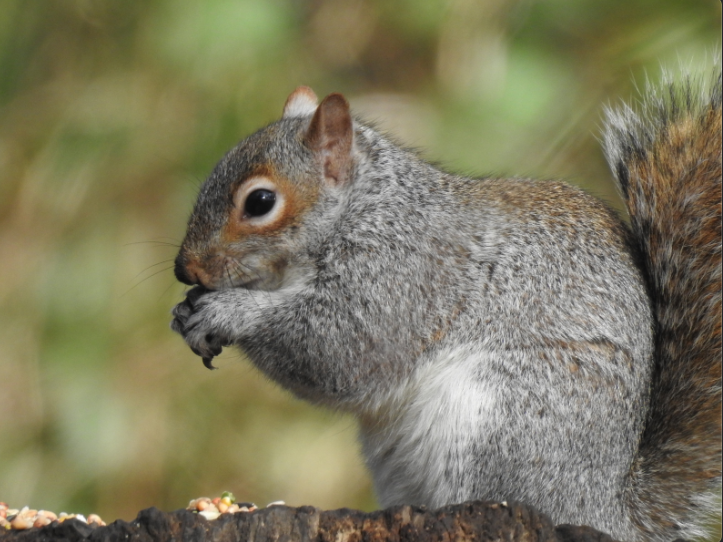
Fortunately, implementing a few preventive measures can help you maintain a safe, critter-free environment. From sealing entry points to keeping your yard tidy, each step plays a vital role in protecting your property. Not only will these practices minimize nuisance wildlife, but they’ll also enhance the overall safety and cleanliness of your home.
In this guide, we’ll explore eight effective ways to keep critters out, including practical tips for food storage, waste management, garden protection, and more. By being proactive, you can ensure your home remains a peaceful haven free from unwelcome visitors.
Seal Gaps and Cracks
Critters like mice, squirrels, and insects can squeeze through surprisingly small gaps. Conduct a thorough inspection of your home’s exterior, focusing on areas around windows, doors, foundations, and the roof. Pay special attention to utility openings for wires, pipes, or vents. Use caulk or expanding foam to seal cracks and smaller holes, while larger gaps can be closed with cement or wood.
Additionally, check the screens on vents, chimneys, and attic openings. Install heavy-duty mesh to keep animals out without compromising ventilation. For doors and windows, ensure proper weather stripping and add door sweeps to close any gaps.
Remember, consistent inspections are key, as wear and tear or weather changes may create new entry points. Sealing these areas proactively is the first step in keeping critters out of your living space.
Store Food Properly
Food is one of the primary attractions for critters. Whether it’s scraps in your kitchen or leftovers in your yard, easily accessible food sources can invite unwanted visitors. Start by storing pantry items in airtight containers to keep rodents and insects out. Pet food should also be sealed and stored off the floor.
Outdoors, avoid leaving food remnants after barbecues or picnics. Clean up fallen fruits, spilled birdseed, or unsealed trash, as these can attract critters like raccoons, skunks, and even bears. Compost piles can also be problematic if they’re not managed properly. Consider using critter-proof compost bins or covering open compost piles with a fine mesh.
By reducing access to food, you make your home and yard far less appealing to wildlife. It’s a simple yet highly effective way to deter critters from settling in your space.
Maintain a Tidy Yard
Your yard is often the first line of defense against critters. An overgrown or cluttered yard offers hiding spots, nesting opportunities, and easy access to your home. Regular maintenance is essential to keeping your property critter-free.
Start by trimming trees and shrubs to prevent overhanging branches that provide access to roofs or windows. Clear away brush piles, fallen leaves, or stacked wood, as these can become homes for rodents or snakes. If you have a shed, ensure that the base is sealed and free of gaps.
For water features or pools, be vigilant about removing stagnant water, as it can attract insects and small animals. Additionally, secure outdoor storage bins and garages to prevent critters from sneaking in.
A clean, well-maintained yard sends a clear message that your property is not an easy target. Regular upkeep not only deters wildlife but also enhances the overall appearance of your home.
Protect Your Garden
Gardens can be magnets for critters like rabbits, deer, and birds. Taking preventive measures ensures your crops and flowers stay safe:
- Install Fences: A sturdy fence, buried a few inches into the ground, can prevent digging animals from accessing your plants.
- Use Natural Deterrents: Sprinkle chili powder or garlic spray around plants to make them less appealing.
- Cover Crops: Use lightweight netting to shield fruits and vegetables from birds and small animals.
Additionally, consider planting deterrent species like marigolds or lavender, which many animals avoid. Regularly check your garden for signs of critter activity, such as trampled plants or bite marks, and address issues promptly.
By taking these steps, you can enjoy a thriving garden without worrying about uninvited guests raiding your hard work.
Manage Trash and Compost
Improper waste management is an open invitation for critters. Trash cans with loose lids or exposed compost piles can attract everything from rodents to raccoons. To prevent this, invest in sturdy garbage bins with locking or animal-proof lids.
Place your trash cans on a stable surface, away from the house, and avoid overfilling them to ensure the lids close securely. Wash the bins periodically to eliminate lingering odors that might attract wildlife.
For compost, opt for closed bins with proper aeration to keep critters out while maintaining decomposition. If using an open compost pile, cover it with fine mesh or turn it frequently to discourage nesting.
Proper waste management not only prevents critters from lingering but also maintains a cleaner, healthier environment around your home.
Secure Your Attic and Crawl Spaces
Attics and crawl spaces provide warmth and shelter, making them ideal spots for critters like bats, raccoons, or squirrels. To keep them out, begin by inspecting these areas for openings or damage.
Use steel mesh or heavy-duty screens to cover vents, soffits, and other entry points. Replace loose or missing shingles on the roof, as these can provide easy access. Insulation should also be checked regularly for signs of chewing or nesting.
Set traps or deterrents if you notice any signs of critter activity, but avoid sealing these spaces until you’re certain no animals are inside. Blocking entry points without proper removal can trap critters, leading to unpleasant odors and further damage.
Securing these vulnerable areas protects your home and ensures critters don’t find a cozy refuge within your walls.
Use Humane Deterrents
Humane deterrents are effective tools for keeping critters away without harming them. Motion-activated lights or sprinklers can scare off larger animals like deer or raccoons. Ultrasonic devices are useful for deterring rodents and smaller critters.
For birds, visual deterrents like reflective tape or decoy predators can work wonders. Remember to reposition deterrents periodically, as animals may adapt to stationary setups.
Avoid using harmful chemicals or inhumane traps, as they can also affect pets or non-target wildlife. The goal is to create an environment that discourages critters without causing harm. Humane deterrents are not only ethical but also align with long-term, sustainable wildlife management practices
Final Thoughts
Keeping critters out of your home and yard requires vigilance, consistency, and the right strategies. By sealing gaps, managing waste, and maintaining your property, you can create an environment that’s unappealing to wildlife.
If you need professional help, don’t hesitate to contact J Douglas Wildlife Handyman for expert assistance in critter-proofing your space.
Frequently Asked Questions (FAQ)
What scent keeps critters away?
Tea, Coffee grounds, Mint, Lavender, Irish spring and other soaps, potpourri and more.
Does vinegar keep critters away?
Vinegar is reported as being able to repel ants, mosquitoes, and spiders.
Will mice leave if they smell vinegar?
When they encounter the powerful fragrance of vinegar, it causes a strong reaction that may deter them from continuing on their current path.
If you’re looking for expert gutter cleaning, don’t hesitate to contact J. Douglass Wildlife Handyman for top-notch service and peace of mind.